Anova Culinary - Recipe Experience
Designing a responsive, device-aware system for discovering and cooking recipes
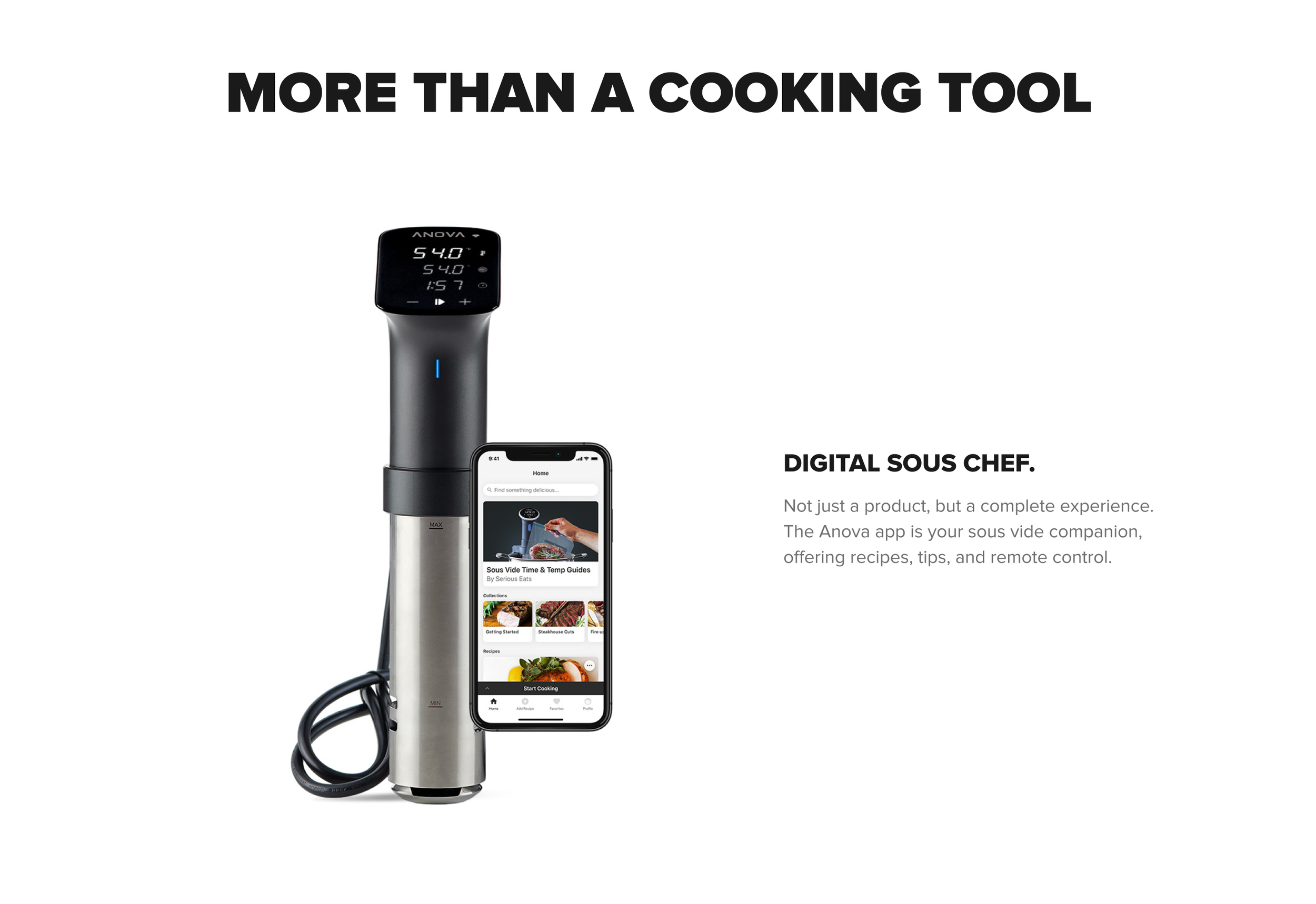
I redesigned Anova Culinary’s recipe experience to make recipes easier to discover, understand, and follow while connecting every cooking journey to the Anova device being used.
Anova had an extensive collection of recipes created specifically for its connected cooking devices, but the digital experience did not reflect the quality of that content. The visual design felt dated, search and discovery were limited, instructions were difficult to follow, and the relationship between recipes and Anova products was not clear enough.
I redesigned the experience as a connected recipe system rather than a collection of static content pages. The work spanned recipe discovery, categories, search, filtering, device-specific guidance, visual instructions, ratings, reviews, chefs, guides, and the broader Anova Food Nerd community.
Competitive Research and Usability Testing
Information Architecture and Content Strategy
Search, Discovery, and Filtering
Responsive UX/UI Design
Adaptive Recipe Instructions
Ratings, Reviews, and Community Experiences
Scope
Role & Ownership
I owned the recipe-platform redesign from research and information architecture through UX/UI design, interaction logic, responsive behavior, and final experience direction.
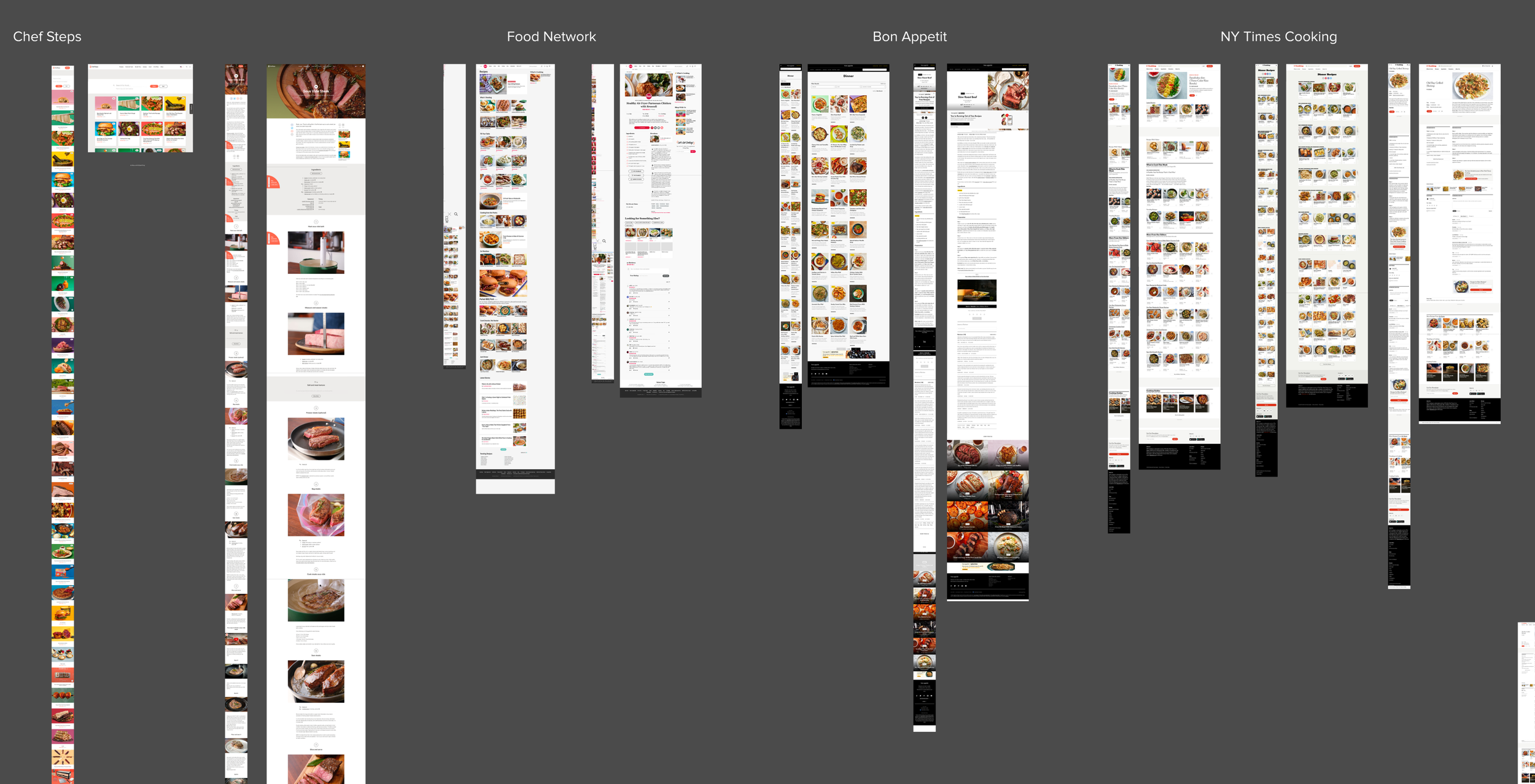
I led competitive research across major cooking and recipe platforms, identifying the strongest approaches to search, discovery, recipe organization, instructions, imagery, ratings, and community participation. I synthesized those findings into an experience that brought the best ideas together without feeling like a collection of disconnected features.
I designed the recipe landing page, category and search experiences, recipe-detail pages, device and finishing-method controls, visual instructions, community ratings, and responsive layouts.
Anova’s culinary team created the recipes and device-specific cooking content. My responsibility was designing the system that made that content easier to discover, configure, and follow.
The Real Problem
The existing experience made valuable content unnecessarily difficult to use.
Customers needed better ways to search for recipes, browse by device or ingredient, understand which recipes worked with the products they owned, and determine whether a recipe matched their time and skill level.
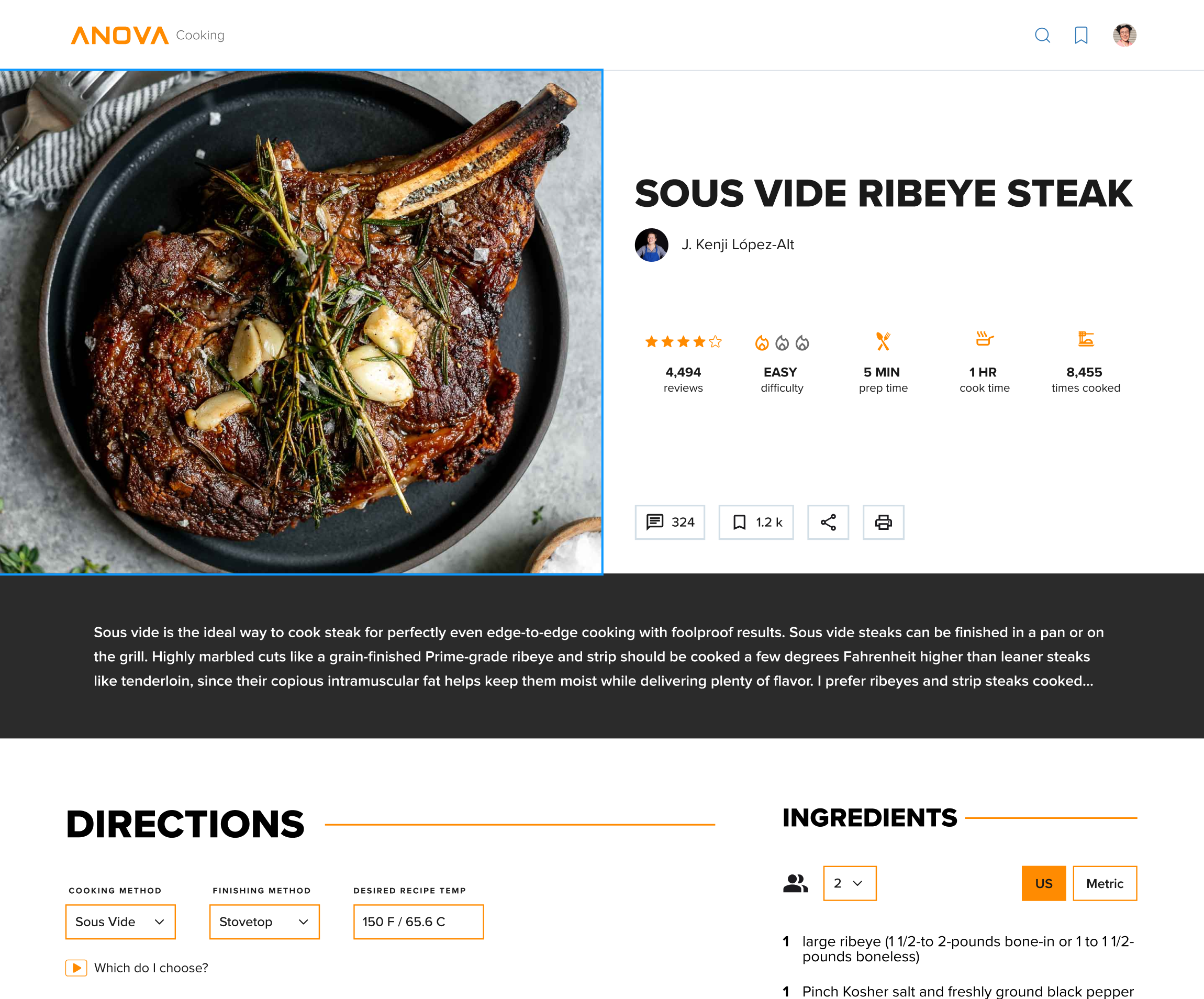
The recipe-detail experience also treated cooking instructions as relatively static content. That did not reflect how Anova customers actually cooked. A steak could be prepared with a sous vide cooker or the Precision Oven and finished using different methods. Each choice affected the directions, imagery, timing, and finishing steps that followed.
Community was another important part of the experience. Anova had an active audience of Food Nerds, but ratings, reviews, chef expertise, guides, and community participation were not integrated into a cohesive cooking journey.
What Mattered Most
The experience needed to help customers make two different kinds of decisions.
Before selecting a recipe, customers needed strong discovery tools: search, filters, categories, device-specific collections, ingredients, featured content, trending recipes, chefs’ favorites, and guides.
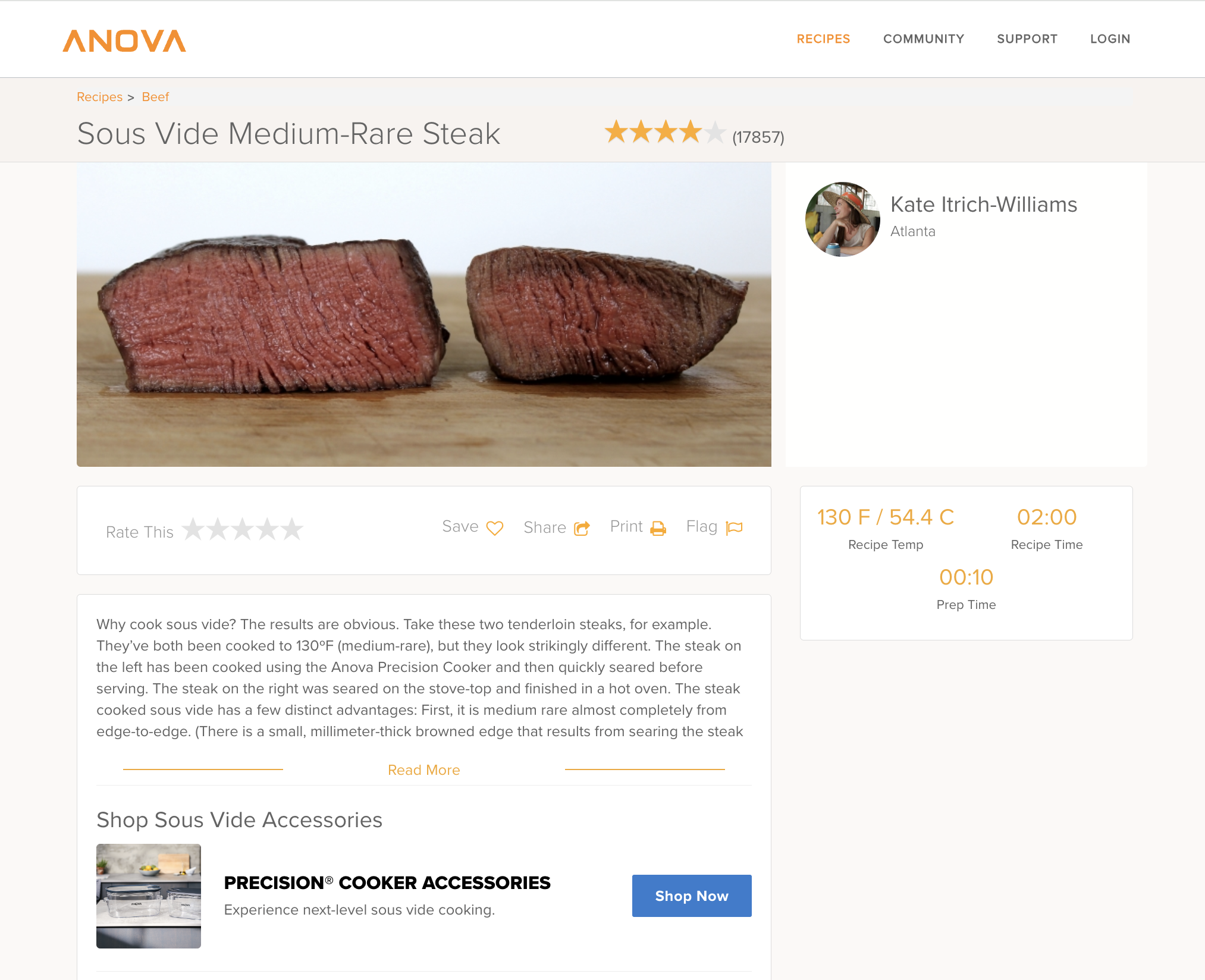
After selecting a recipe, they needed clear cooking guidance. Difficulty, preparation time, cooking time, ratings, ingredients, required equipment, cooking method, and finishing method all had to be understandable before someone started.
Most importantly, the instructions needed to respond to the customer’s equipment and choices. The interface could not simply display one generic sequence for every device and finishing method.
Key Decisions
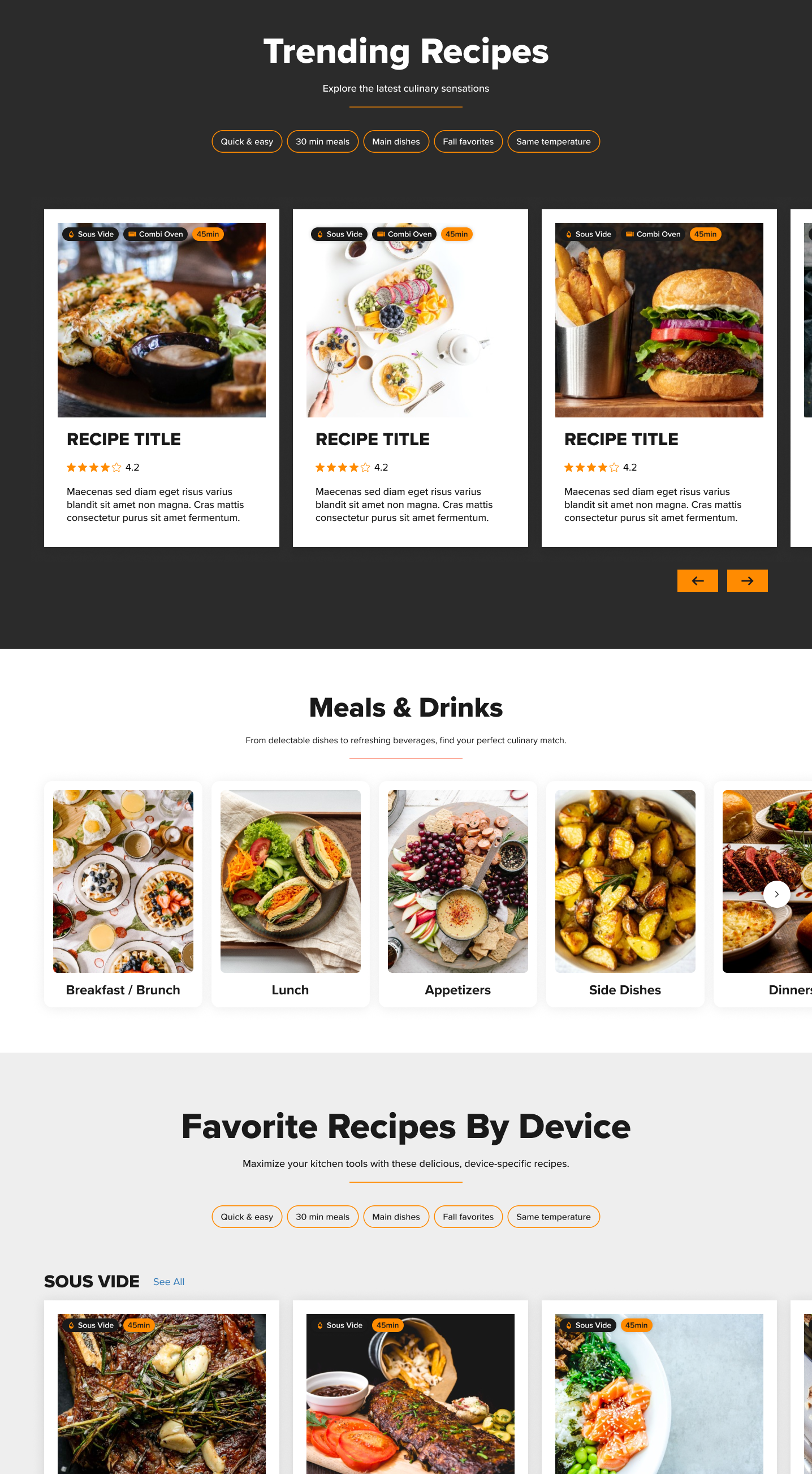
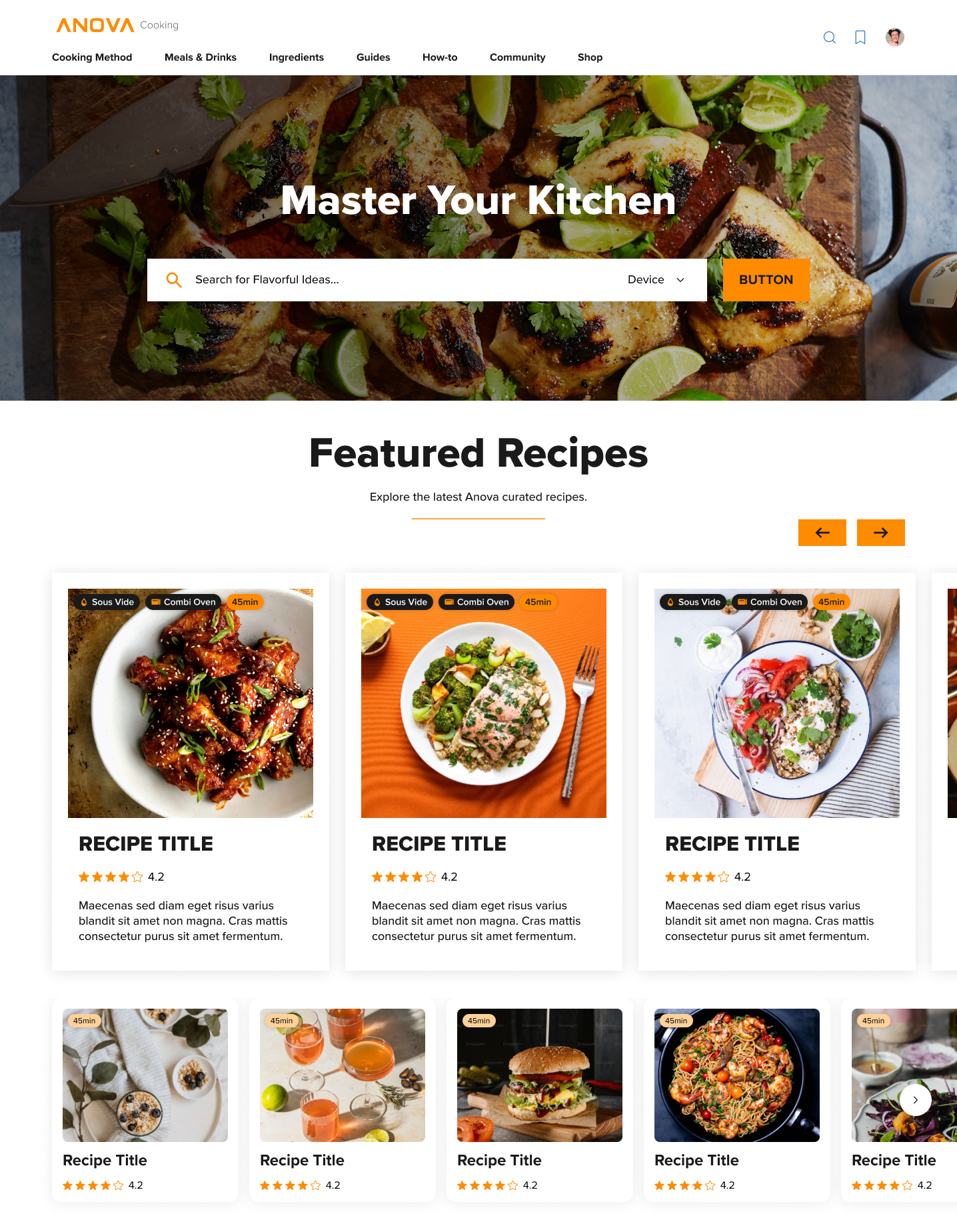
I organized the recipe experience around the ways people decide what to cook. Customers could search by method, ingredient, or keyword and browse featured recipes, trending content, meals and drinks, device-specific collections, ingredient groups, chefs’ favorites, and cooking guides.
On recipe-detail pages, I brought the most important decision-making information to the top. Ratings, difficulty, preparation time, cooking time, and device information helped customers assess a recipe before committing to it.
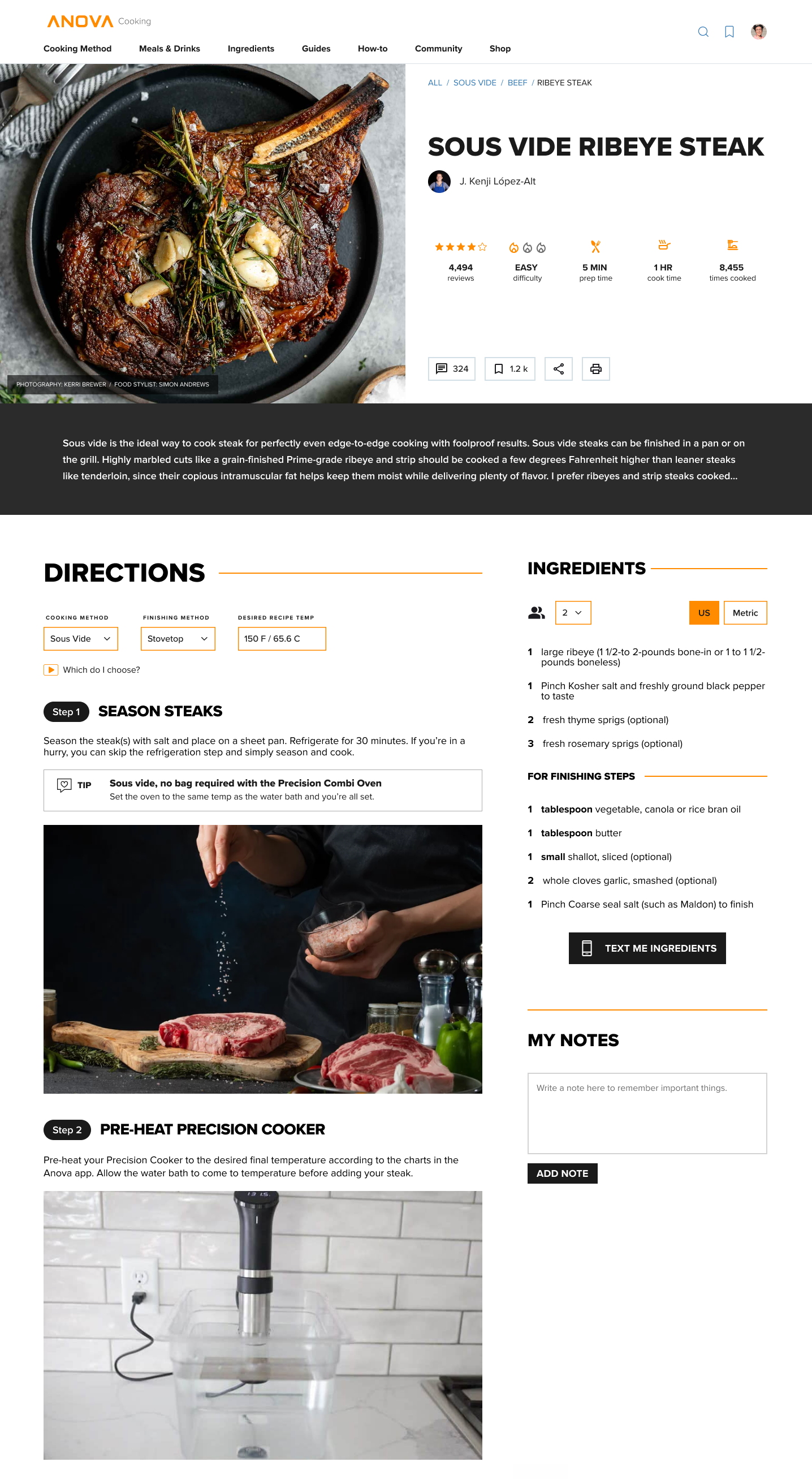
I then made the cooking method and finishing method part of the recipe configuration. Selecting a sous vide cooker or Precision Oven changed the instructions and supporting imagery below. Choosing a different finishing method changed the final sequence as well.
This turned the recipe from a static article into adaptive guidance tailored to the customer’s Anova device and preferred cooking process.
The Work
I began by reviewing leading recipe experiences, including Allrecipes, ChefSteps, Food Network, Bon Appétit, New York Times Cooking, The Pioneer Woman, Kitchen Stories, SideChef, and Smitten Kitchen. I evaluated how each platform handled discovery, filtering, recipe information, step-by-step guidance, imagery, expertise, and community content.
I explored numerous visual and structural directions before defining the final system. The recipe landing page combined prominent search with featured and trending recipes, meals and drinks, collections by device and ingredient, chefs’ recommendations, guides, and an invitation into the Food Nerd community.
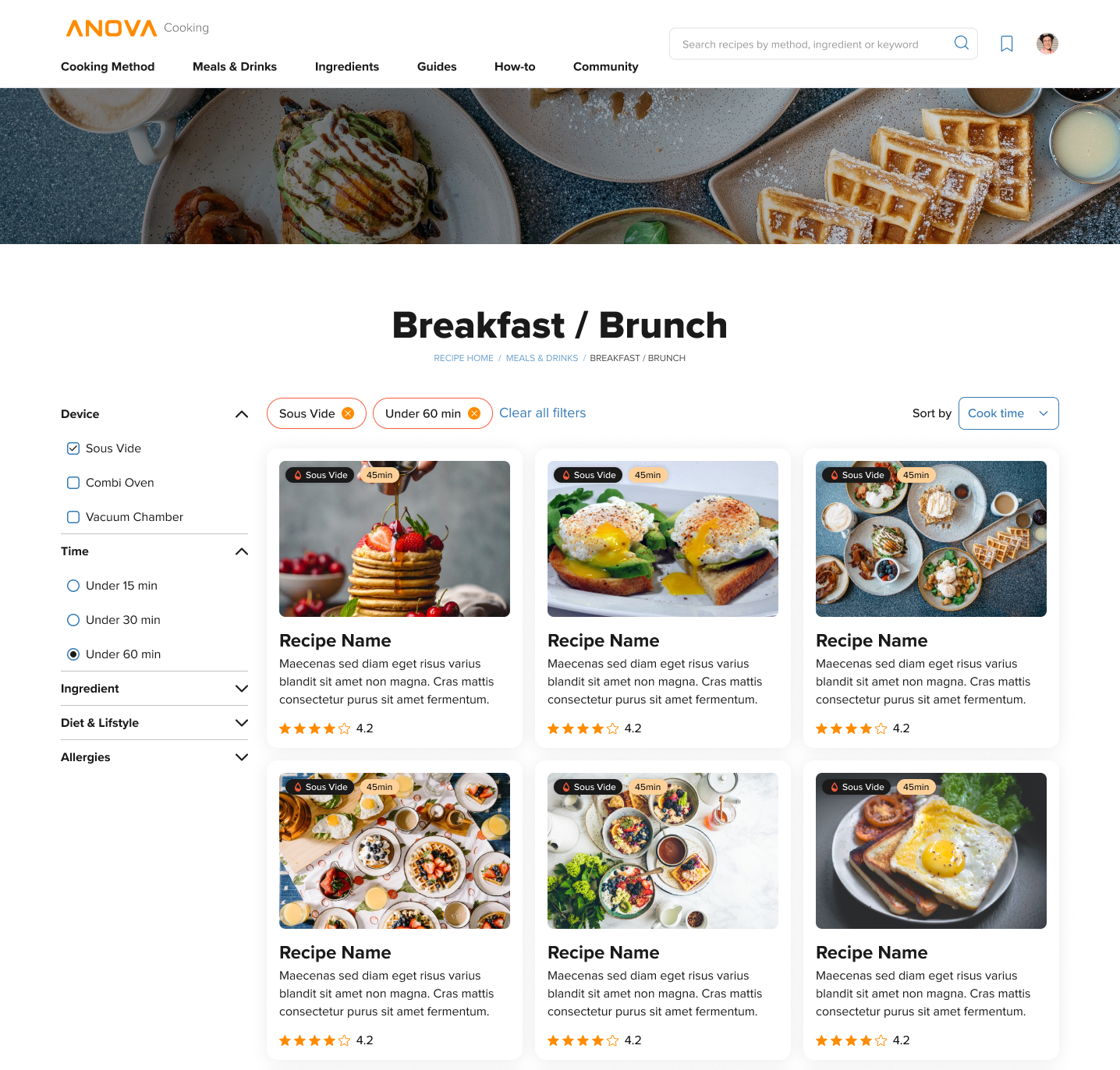
The category experience supported more focused browsing and filtering, while the recipe-detail page combined ingredients, measurement controls, equipment, adaptive directions, large instructional images, finishing steps, related side dishes, private notes, chef information, and community reviews.
I designed the complete experience responsively so the same discovery and cooking journeys worked across desktop and mobile.
Outcome
The work produced a complete responsive direction for Anova’s recipe ecosystem, including discovery, categories, search, filtering, recipe details, adaptive instructions, reviews, and community content.
The final experience connected Anova’s existing device-specific recipes to the products customers used, allowing cooking and finishing choices to determine the directions and imagery that followed.
The demonstrated outcome was a cohesive, implementation-ready recipe experience that Anova received positively. The strength of the work expanded the relationship into the company’s ecommerce product-marketing redesign.