Verta.AI
Simplifying model operations for high-velocity ML teams
Verta.ai was an MLOps platform built to help data-science and machine-learning teams manage the lifecycle of their models—from experiments and model versions to deployment, monitoring, and governance.
Machine-learning teams need more than a place to train models. They need to compare experiments, understand model performance, document versions, manage approvals, monitor live behavior, and give the right people access to the right information.
I helped shape Verta’s product experience around those connected workflows, creating a clearer operational layer for teams moving models from experimentation toward production.
Product Strategy
Content Strategy
User Research
User Journey Mapping
Wireframing
UX & UI Design
New Design System Creation
Scope
Role & Ownership
I worked across product strategy, content strategy, research, journey mapping, wireframing, UX/UI design, and the creation of a new design system.
My role was to make a highly technical product easier to understand and operate. I designed connected experiences for experiment analysis, model versioning, readiness and approvals, monitoring, and organization administration—giving data-science teams a more coherent way to manage complex model operations.
The Real Problem
Model development creates a large amount of information: experiment runs, hyperparameters, model versions, performance metrics, deployments, and monitoring data. Without a clear product structure, it becomes difficult for teams to understand which model is ready, how it is performing, who owns it, and when action is needed.
The experience needed to make that complexity usable without oversimplifying the technical work behind it.
What Changed / Outcome
I designed a connected product system that brought critical MLOps workflows into one clearer experience:
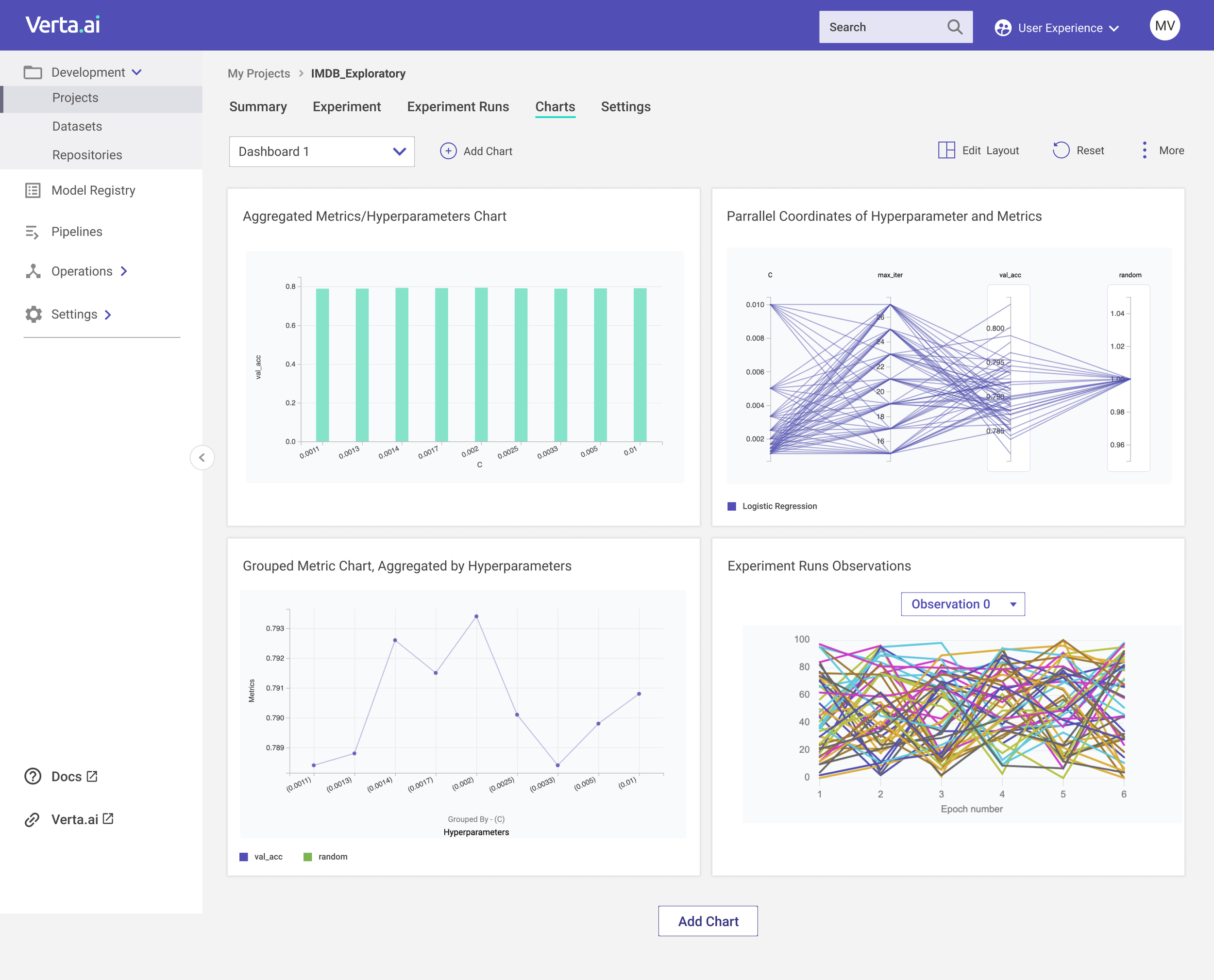
Configurable dashboards for comparing experiments, metrics, hyperparameters, and runs.
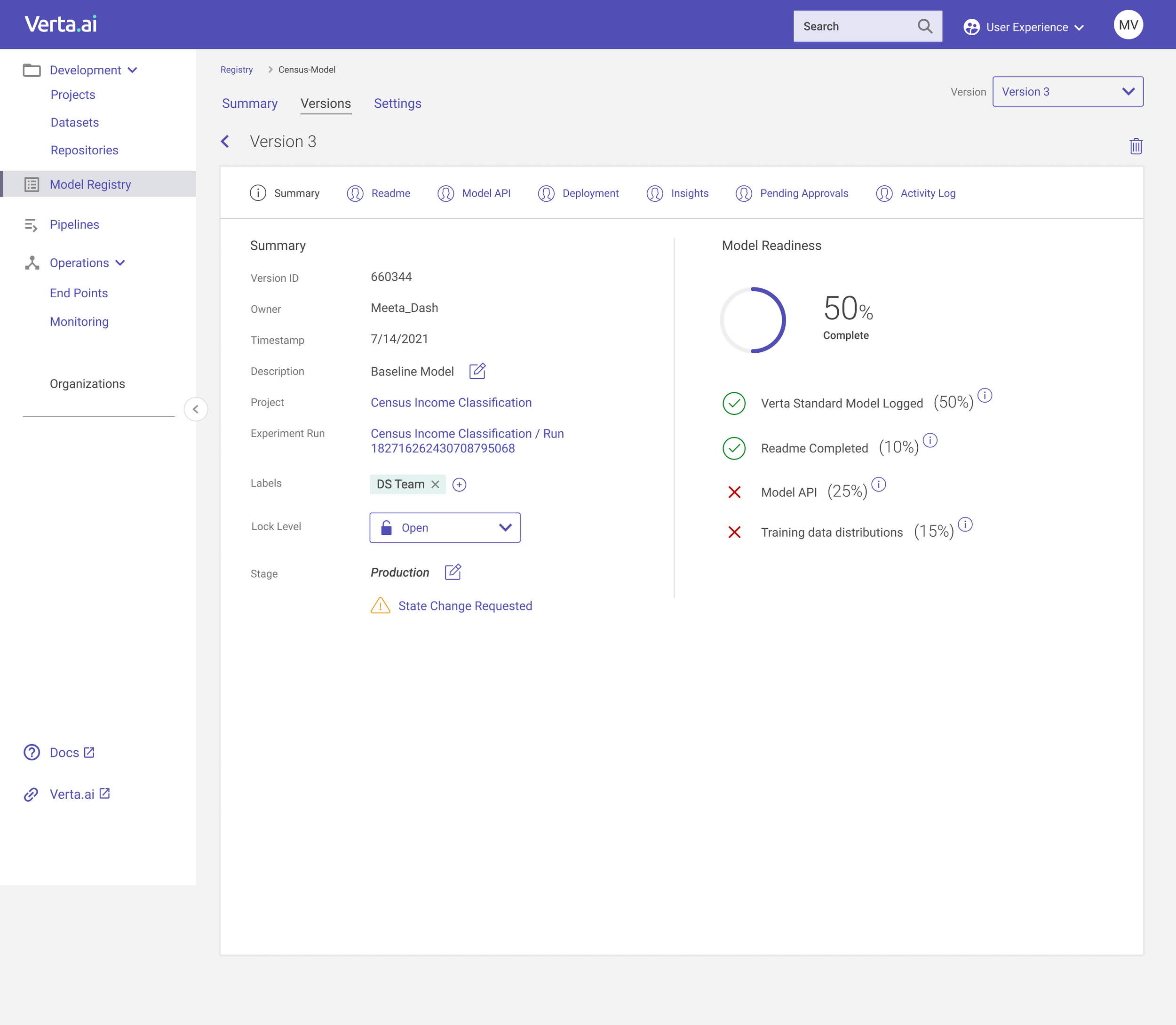
A Model Registry for reviewing versions, documentation, deployment status, insights, approvals, and activity history.
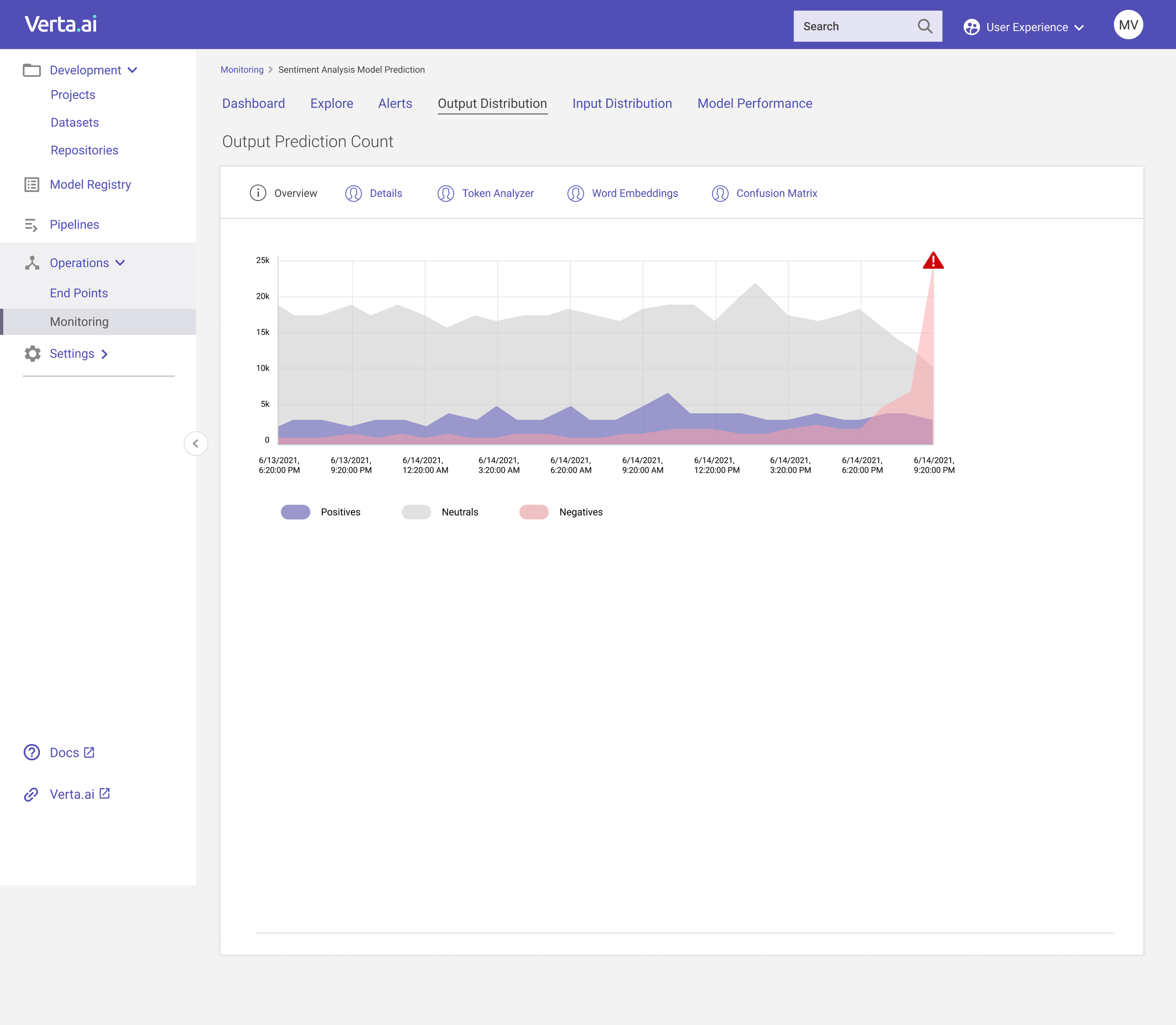
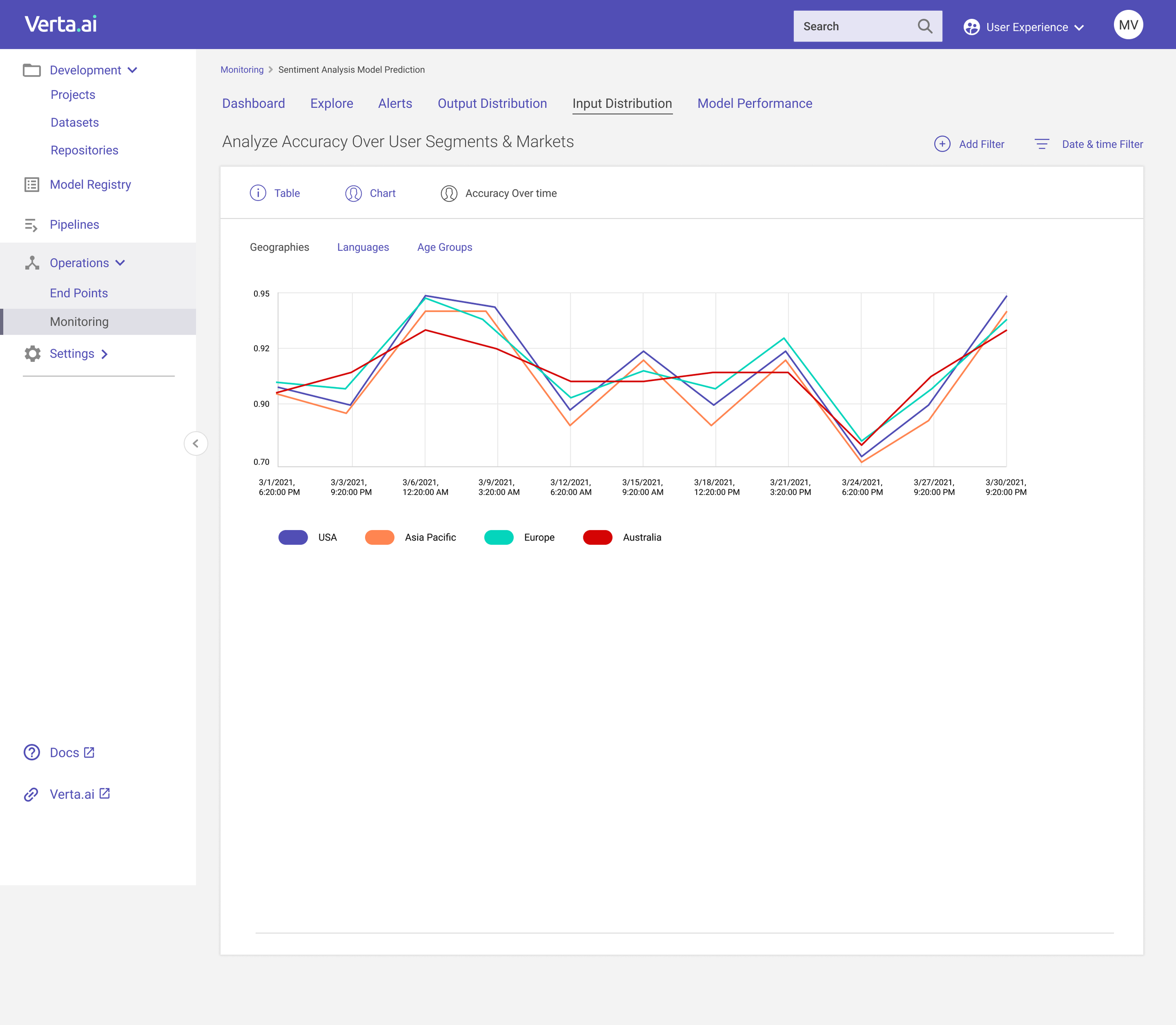
Monitoring experiences for examining model accuracy across segments, exploring output distributions, and identifying unexpected changes.
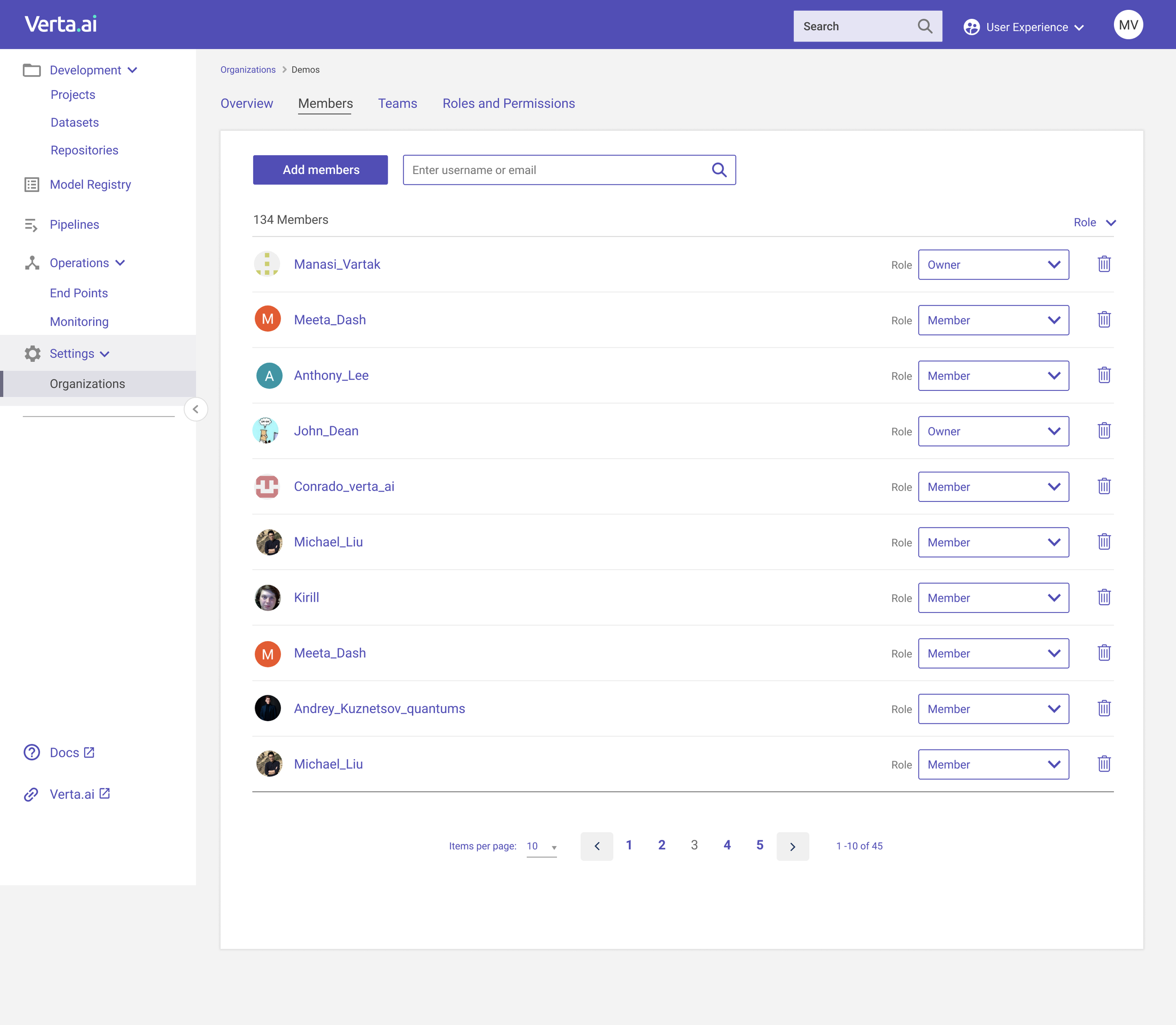
Organization tools for managing members, teams, roles, and permissions.
The result was a more cohesive product direction and scalable design language for operating machine-learning models in an enterprise environment.
Verta’s Operational AI Platform was later acquired by Cloudera in 2024.